
Indonesia Introduces Halal Product Assurance Guidelines for Natural Medicines, Quasi-Drugs and Health Supplement
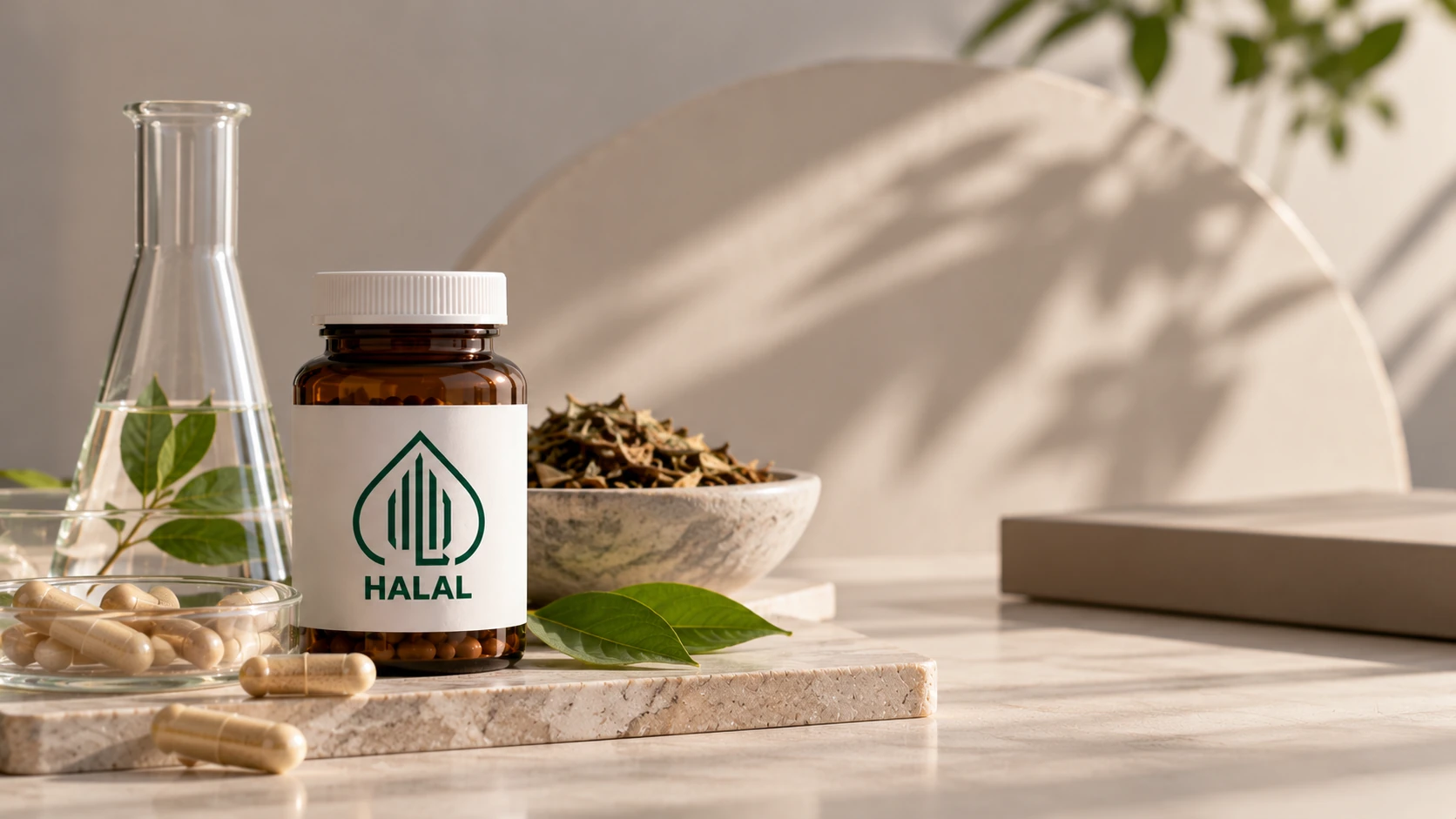
On 12 October 2026, Indonesia’s Halal Product Assurance Agency (Badan Penyelenggara Jaminan Produk Halal or “BPJPH”) issued Decree of the Head of BPJPH Number 371 of 2026 concerning Guidelines for Implementing the Halal Product Assurance System for Natural Medicines, Quasi-Drugs and Health Supplements (“Decree 371/2026”), which came into effect on 18 October 2026.
The decree establishes sector-specific guidelines for implementing the Halal Product Assurance System (Sistem Jaminan Produk Halal or “SJPH”) for natural medicines, quasi-drugs and health supplements. It provides more detailed requirements concerning material verification, capsule shells, gelatin, alcohol, microbial and genetically engineered ingredients, production segregation, and periodic compliance reporting.
The issuance of Decree 371/2026 forms part of the implementation of Indonesia’s mandatory halal certification framework under Government Regulation Number 42 of 2024 concerning the Implementation of Halal Product Assurance (“GR 42/2024”).
Rather than replacing existing regulations, the decree provides further guidance on applying established halal assurance criteria to products with complex ingredients and manufacturing processes.
Scope and Application of the Guidelines
Decree 371/2026 applies to various categories of natural medicines, including jamu, standardised herbal medicines, phytopharmaceuticals, and other natural medicinal products, including imported, exported and licensed products. It also covers quasi-drugs and health supplements, whether supplied as raw materials or finished products.
Given the diverse characteristics of these products, the guidelines provide a more detailed framework for assessing halal compliance throughout the manufacturing process, particularly in relation to the origins of ingredients, production methods and supporting documentation.
The decree also refers to applicable Ministry of Health regulations concerning halal manufacturing practices for medicines, reinforcing the need for businesses to comply with both halal assurance and health-sector regulatory requirements.
Key Regulatory Requirements
1. Halal Policy and Supervision
Under Decree 371/2026, businesses are required to establish a written halal policy and appoint and report a Halal Supervisor (Penyelia Halal) responsible for overseeing the implementation of halal assurance requirements. Medium-sized, large and foreign businesses must also ensure that their Halal Supervisors undergo competency testing. These requirements emphasise the importance of incorporating halal compliance into internal management and supervision procedures.
2. Verification of Ingredients and Packaging Materials
The guidelines require active ingredients, excipients and processing aids used in natural medicines, quasi-drugs and health supplements to comply with halal requirements, be free from najis (ritual impurities), and not be produced through processes contrary to Islamic law. Packaging materials derived from or containing animal elements must be supported by halal certification, while other packaging materials may be supported by appropriate documentation. Businesses must therefore ensure that the origin, composition and halal status of the materials used in their products are adequately documented.
3. Halal Certification of Capsule Shells and Gelatin
Decree 371/2026 specifically addresses the use of capsule shells and gelatin, which are commonly incorporated into natural medicines and health supplements. The guidelines require these materials to be supported by a Halal Certificate, making verification of their halal status an important consideration in the manufacturing process. Businesses should ensure that the capsule shells and gelatin used in their products are appropriately certified and that the relevant supporting documentation is obtained from suppliers.
4. Use of Alcohol and Ethanol
The guidelines clarify that alcohol or ethanol may be used in natural medicines, quasi-drugs and health supplements, provided that it does not originate from the alcoholic beverage (khamr) industry, is safe for its intended use, and complies with applicable dosage requirements. Businesses must also maintain documentation substantiating the source of ethanol and its residual concentration in the relevant products. These requirements are particularly relevant to manufacturers using ethanol as a solvent, extraction medium or processing ingredient.
5. Microbial and Genetically Engineered Materials
Decree 371/2026 also addresses the use of microbial and genetically engineered materials, particularly those associated with probiotics, enzymes and fermentation-derived ingredients. The guidelines recommend maintaining supporting documentation concerning the origin of microbial strains, fermentation media, genetically modified organism (GMO) status, and declarations confirming the absence of prohibited porcine or human elements. The use of genes originating from pigs or humans is expressly prohibited. Accordingly, businesses should ensure that microbial and genetically engineered ingredients are supported by sufficient technical documentation to establish their compliance with halal requirements.
6. Segregation of Halal and Non-Halal Production
The guidelines provide flexibility in implementing segregation measures between halal and non-halal production processes. Such segregation may be carried out through physical separation of production areas, different production schedules, labelling controls, line-clearance procedures or electronic systems, provided that the measures are effective and properly documented. This approach allows businesses to adopt segregation arrangements appropriate to their manufacturing operations while ensuring that halal production processes remain adequately controlled.
7. Internal Audits and Periodic Reporting
In addition to material and production requirements, Decree 371/2026 establishes ongoing monitoring and reporting obligations. Businesses are required to conduct internal audits and management reviews at least once annually and submit the results of their internal audits to BPJPH. Furthermore, material composition lists must be reported to BPJPH every six months and whenever changes occur. These requirements reinforce the importance of maintaining updated documentation, conducting regular compliance evaluations and ensuring effective coordination between regulatory affairs, quality assurance and halal compliance personnel.
Legal Consequences of Non-Compliance
Although Decree 371/2026 does not independently establish administrative or criminal sanctions, violations of halal product assurance obligations remain subject to Law Number 33 of 2014 concerning Halal Product Assurance, as amended, and GR 42/2024. Applicable health-sector regulations also continue to apply under their respective regulatory frameworks.
The guidelines further establish specific consequences for products that do not satisfy halal requirements.
Products that fail to meet the applicable halal criteria may not be reworked, reformulated or represented as halal. Products already sold must be recalled, while products that cannot be sold to consumers who do not require halal products must be destroyed.
These provisions highlight the operational and commercial implications of non-compliance, particularly for businesses involved in manufacturing, importing and distributing natural medicines and health supplements.
Implications for Businesses
The implementation of Decree 371/2026 requires businesses operating in the natural medicines, quasi-drugs and health supplements sectors to pay particular attention to their sourcing, manufacturing and documentation procedures.
Businesses should review the halal certification status of capsule shells, gelatin and other animal-derived materials, verify the sources and residual levels of ethanol, and ensure that microbial and genetically engineered ingredients are supported by appropriate documentation.
Manufacturers operating shared production facilities should also review their segregation procedures to ensure that halal and non-halal production processes remain effectively controlled and documented.
Furthermore, businesses should coordinate their halal compliance functions with regulatory affairs and quality assurance teams to maintain consistency between BPJPH requirements and applicable Ministry of Health regulations.
Establishing a structured compliance calendar for annual internal audits, management reviews and semi-annual material composition reporting may also assist businesses in fulfilling their ongoing obligations.
Effective Date and Regulatory Outlook
Decree 371/2026 was issued on 12 October 2026 and became effective on 18 October 2026. The decree does not contain transitional provisions and does not amend or revoke any previous decree.
On the same date, BPJPH also issued separate guidelines for implementing the Halal Product Assurance System for cosmetics under Decree Number 370 of 2026 and for food and beverage serving services under Decree Number 375 of 2026.
These developments reflect BPJPH’s continued efforts to provide more specific implementation guidelines across different product and service categories under Indonesia’s halal product assurance framework.
For businesses operating in the natural medicines and health supplements sectors, Decree 371/2026 provides greater clarity regarding the documentation, manufacturing controls and internal compliance measures necessary to support halal certification and ongoing regulatory compliance.